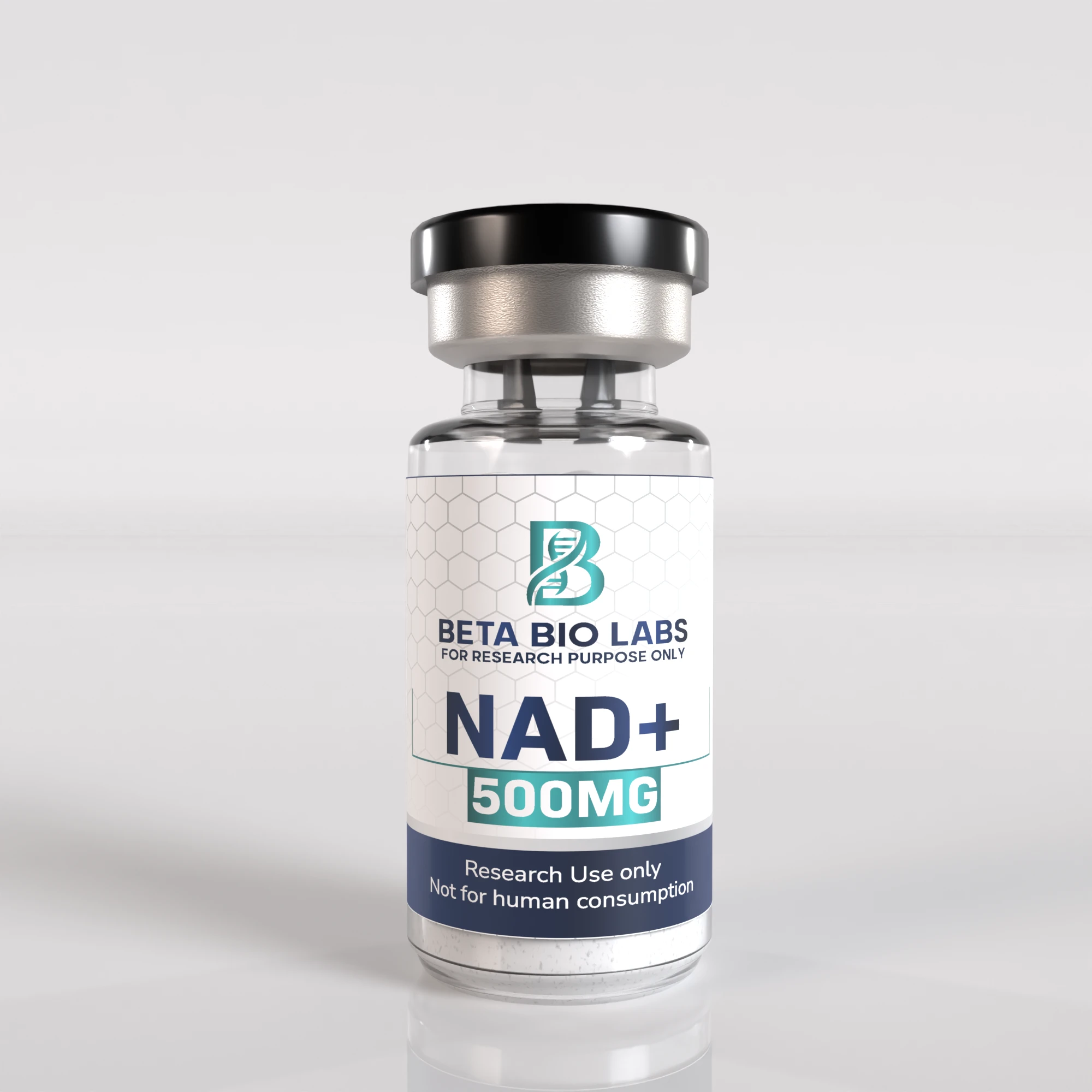
NAD+ 500MG
This product provides a research-grade formulation of nicotinamide adenine dinucleotide, a key coenzyme found naturally in biological systems. NAD+ plays a central role in cellular metabolism and is an important component of redox reactions.
NAD+ is produced endogenously through dietary intake of niacin (vitamin B3) and through the action of enzymes such as NAD+ synthetase. Research has shown that NAD+ levels decline with age, contributing to mitochondrial dysfunction and overall cellular aging processes.
Research Context
Nicotinamide adenine dinucleotide (NAD+) serves as an essential cofactor for numerous enzymes involved in energy metabolism, DNA repair, and cellular signaling pathways. Its significance in cellular biochemistry has led to extensive investigation in areas such as aging research, metabolic health, and disease mechanisms.
Research Overview
NAD+ has emerged as a focal point in biochemical research due to its critical involvement in:
- Redox homeostasis through NAD+/NADH cycling
- Sirtuin activation via NAD+-dependent deacetylation reactions
- PARP enzyme-mediated DNA repair mechanisms
Investigations have explored NAD+ supplementation as a means to modulate aging-related declines in metabolic efficiency and tissue function.
Key Research Focus Areas
- Mitochondrial Function: NAD+ is essential for maintaining mitochondrial oxidative phosphorylation capacity. Studies have examined its role in preserving energy production in aging tissues.
- DNA Repair Mechanisms: NAD+ serves as a substrate for poly(ADP-ribose) polymerase (PARP) enzymes, which are critical for base excision repair. Deficiencies in NAD+-dependent repair are linked to genomic instability.
- Metabolic Regulation: NAD+ levels influence activity of sirtuins (SIRT1-7), which regulate circadian rhythms, autophagy, and lipid metabolism. Research explores its potential as a therapeutic target in metabolic syndrome.
- Aging Biology: Decline in NAD+ availability has been associated with age-related deterioration in muscle mass, cognitive function, and immune response. Animal models have shown NAD+ restoration can delay aging phenotypes.
- Neuroprotection: NAD+ is investigated for its potential role in neuroprotective pathways, particularly in models of neurodegenerative diseases such as Alzheimer’s and Parkinson’s disease.
This product is designed for academic and industrial research applications only. It is not intended for human or animal consumption and should not be used in any clinical, therapeutic, or diagnostic capacity.
For research use only. Not for human or animal consumption.
| Size | 500MG |
|---|
Reviews
There are no reviews yet.